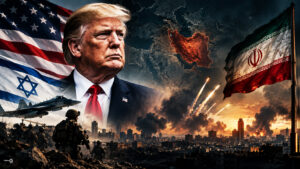
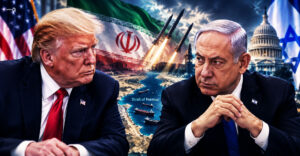
The ceasefire with Iran has emerged as one of the most significant geopolitical developments of 2026. Presented publicly as a step toward de-escalation, the agreement has also raised serious questions about strategy, credibility, and long-term outcomes.
While some view the ceasefire with Iran as a necessary move to prevent further conflict, critics argue that it reflects deeper inconsistencies in policy, communication, and military planning.
Ceasefire with Iran and Conflicting Narratives
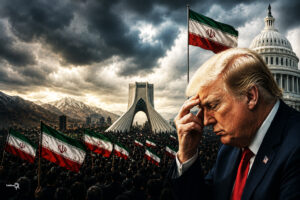
Trump has become such a liar that even he sometimes forgets what he said. He repeats the same lines about Iran three times a day. As if they were supposed to act as a sedative, but they have only made him more savage.
“We destroyed Iran. They have nothing. We destroyed their navy. They have to sign the deal I’m telling them, or their whole country will explode and their power plants and bridges will be legitimate targets.”
If Iran’s navy has been destroyed, then how is Iran in complete control of the Strait of Hormuz? How come no ship dares to pass through the Strait of Hormuz without Iran’s permission? The US has called for a ceasefire, but it has blockaded the Strait of Hormuz so that no ship can pass through! Isn’t this the US stupidity?
What does the US gain by blocking the Strait of Hormuz? The ceasefire with Iran was the US’s request, but Trump claims every day that Iran is begging for a ceasefire. Trump says every day that the Strait of Hormuz has nothing to do with us and has no impact on our economy, but it has become Trump’s nightmare.
If the closure of the Strait of Hormuz has no effect on the United States, why have fuel and oil prices in the United States, Europe, and the entire world experienced an unprecedented increase? These are the questions that need to be asked of Trump.
Public messaging surrounding the ceasefire with Iran has been marked by contradictions. On one hand, U.S. leadership has repeatedly claimed dominance over Iran’s military capabilities. On the other, the same leadership has emphasized the need for negotiation and de-escalation.
This dual narrative has created confusion among analysts and observers. For example, claims about total control over Iran’s naval capabilities appear inconsistent with ongoing tensions surrounding the Strait of Hormuz, one of the world’s most critical energy routes.
If Iran’s naval power had truly been neutralized, questions remain about why maritime restrictions and economic disruptions continue to affect global trade.
Economic Impact and the Strait of Hormuz
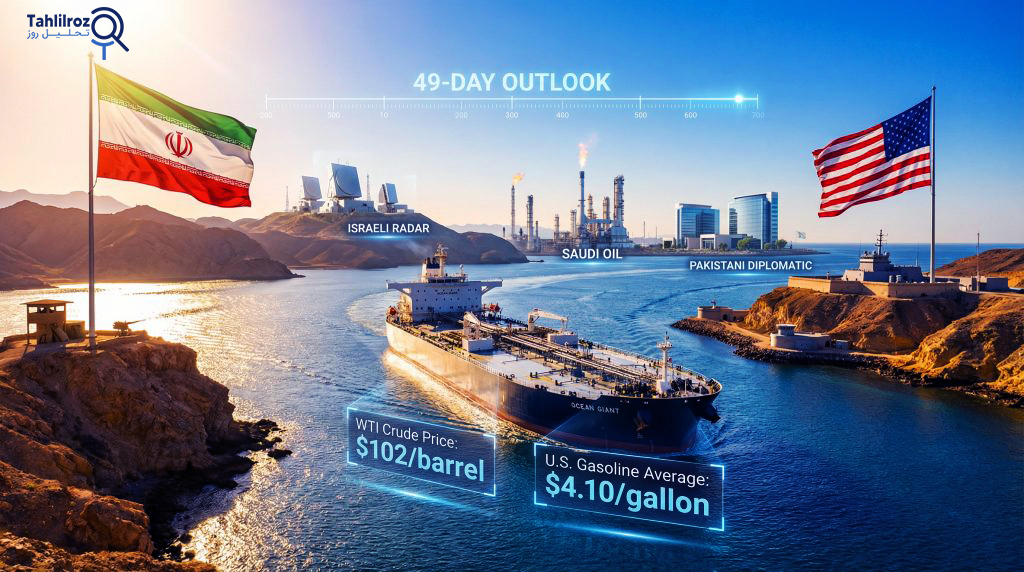
The ceasefire with Iran cannot be separated from its economic consequences. The Strait of Hormuz plays a central role in global oil supply, and any disruption—real or perceived—has immediate effects on international markets.
Despite claims that the situation has minimal impact, rising fuel and energy prices across the United States, Europe, and beyond suggest otherwise. These developments highlight how closely tied the ceasefire with Iran is to global economic stability.
Diplomatic Pressure and the Path to Ceasefire
Reports indicate that the ceasefire with Iran did not emerge from a single, structured negotiation process. Instead, multiple countries were involved in mediating communication between the two sides.
This fragmented diplomatic approach suggests that the ceasefire may have been driven more by urgency than by long-term strategic planning. Analysts argue that escalating tensions forced a rapid shift toward negotiation, rather than a carefully designed peace framework.
Strategic Criticism of U.S. Policy
Critics of the current approach argue that the ceasefire with Iran represents a reactive decision rather than a calculated outcome. Common concerns include:
Lack of a consistent diplomatic strategy prior to escalation
Underestimation of Iran’s regional influence and resilience
Rapid shifts between military pressure and negotiation
These issues have contributed to the perception that the ceasefire with Iran is an attempt to manage consequences rather than resolve underlying conflicts.
Ceasefire with Iran and Global Implications
The global impact of the ceasefire with Iran extends far beyond U.S. domestic politics. Key areas affected include:
Energy markets: Continued volatility due to uncertainty around oil supply routes
Regional security: Ongoing tensions across the Middle East
Maritime stability: Persistent concerns about shipping routes and trade
Even with the ceasefire in place, analysts warn that these risks remain unresolved.
Is the Ceasefire with Iran Sustainable?
A central question facing policymakers is whether the ceasefire with Iran represents a lasting solution or a temporary pause. While the agreement may reduce immediate violence, deeper disputes remain unresolved, including:
Nuclear policy disagreements
Economic sanctions
Regional power dynamics
Without addressing these core issues, there is a strong possibility that tensions could resurface.
Conclusion
The ceasefire with Iran represents both relief and uncertainty. For supporters, it is a necessary step toward stability. For critics, it highlights inconsistencies in strategy, communication, and long-term planning.
As negotiations continue, the ceasefire with Iran will remain a defining example of modern geopolitical conflict management—raising important questions about how global powers navigate escalation, diplomacy, and economic risk.
But here’s the unpopular fact: The US needs a ceasefire, and for this reason, it appealed to more than 8 countries and asked them to mediate and beg for communication with Iran to establish a ceasefire with Iran.
For this reason, they requested a begging ceasefire, like the 12-day war. But their current situation is much different than the 12-day war. Because they entered this war directly and extensively with specific and declared goals, including: regime change, possible disintegration of Iran, theft and kidnapping of 400 kilos of 60% enriched uranium, destruction of nuclear and missile sites and Iran’s defense power, and dominance over Iran’s oil and gas resources, which were all overcome by the perseverance of the heroic nation and the self-sacrificing armed forces.
Mohsen Shahrafiee