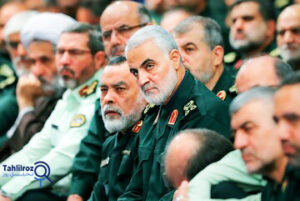
Major General Qasem Soleimani
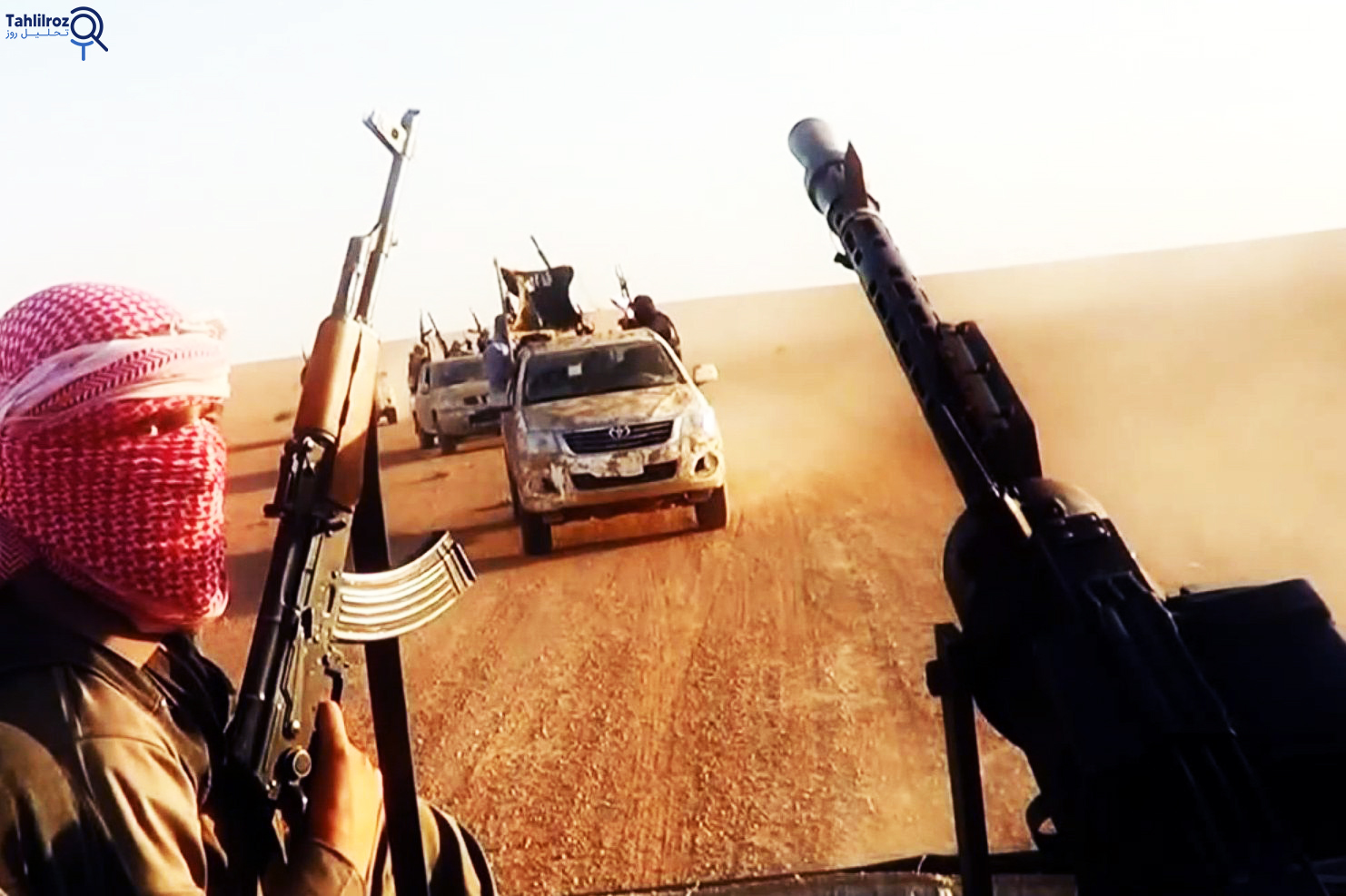
The rise of the Islamic State of Iraq and Syria (ISIS) in the early 2010s marked one of the most destabilizing periods in modern Middle Eastern history. At its peak, ISIS controlled large swaths of territory across Iraq and Syria, threatening regional governments, minority communities, and international security. Multiple local, regional, and global actors became involved in efforts to contain and ultimately defeat the group.
Among the most prominent figures associated with the regional response to ISIS was Major General Qasem Soleimani, a senior commander of Iran’s Islamic Revolutionary Guard Corps (IRGC) and head of its Quds Force. His involvement in conflicts across Iraq and Syria placed him at the center of debates surrounding counterterrorism, regional influence, and Middle Eastern geopolitics. This article examines Soleimani’s role in the fight against ISIS through a factual and analytical lens, considering both the military context and the broader implications of his actions.
-
The Emergence of ISIS and Regional Instability
ISIS emerged from the remnants of earlier extremist groups operating in Iraq following the 2003 U.S.-led invasion. Exploiting sectarian divisions, political instability, and the Syrian civil war, the group rapidly expanded between 2013 and 2015. In June 2014, ISIS captured Mosul, Iraq’s second-largest city, declaring a self-styled “caliphate” that drew global attention.
The group’s rapid territorial gains overwhelmed local security forces and posed an existential threat to the Iraqi state. Mass displacement, attacks on civilians, and high-profile acts of violence prompted international alarm. In response, a broad and complex coalition of actors—including the Iraqi government, Kurdish forces, Iran, Russia, and a U.S.-led international coalition—became involved in counter-ISIS operations.
-
Major General Qasem Soleimani and the Quds Force
Qasem Soleimani served as the commander of the Quds Force, the external operations branch of Iran’s IRGC. In this capacity, he was responsible for overseeing Iran’s military and advisory activities beyond its borders, particularly in Iraq, Syria, and Lebanon.
Soleimani had been active in regional conflicts long before the emergence of ISIS, building networks with state and non-state actors aligned with Iranian strategic interests. When ISIS began its rapid expansion, these existing relationships positioned Iran to respond quickly, especially in neighboring Iraq, where Tehran viewed ISIS as both a security threat and a destabilizing force on its western border.
-
Iran’s Early Response to the ISIS Threat
Unlike some international actors that required time to mobilize, Iran moved rapidly following ISIS’s advances in Iraq in 2014. Iranian officials stated that their involvement was aimed at preventing the collapse of the Iraqi government and protecting key cities, religious sites, and infrastructure.
Soleimani played a visible role in coordinating Iranian advisory support to Iraqi security forces and allied militias. His presence on the ground—later confirmed through photographs and official statements—became symbolic of Iran’s hands-on approach to the conflict. Iran’s strategy focused on providing weapons, training, intelligence, and strategic coordination rather than deploying large conventional forces.
-
Coordination with Iraqi Forces and Popular Mobilization Units
One of the central elements of Iran’s counter-ISIS strategy in Iraq was cooperation with the Popular Mobilization Units (PMUs), a coalition of mostly Shiite militias formed after a 2014 call to arms by Iraq’s senior religious authorities. These forces were later formally integrated into Iraq’s state security apparatus.
Major General Qasem Soleimani was widely reported to have acted as a key liaison between Iranian advisors, PMU commanders, and Iraqi military leaders. This coordination was particularly significant during critical battles such as the defense of Baghdad’s outskirts, the recapture of Tikrit in 2015, and operations in Diyala and Anbar provinces.
Supporters of this approach argue that such coordination helped stabilize front lines at a time when Iraqi forces were under severe pressure.
-
Role in the Syrian Theater
ISIS’s expansion into Syria added another layer of complexity to the conflict. Syria’s civil war had already drawn in numerous foreign actors, and the fight against ISIS became intertwined with broader struggles over the future of the Syrian state.
Iran, a key ally of the Syrian government, viewed ISIS as a direct threat to regional stability. Major General Qasem Soleimani was involved in coordinating efforts between Iranian advisors, Syrian government forces, and allied groups, including Lebanese Hezbollah. These efforts were focused on protecting strategic corridors, urban centers, and supply routes.
Operations against ISIS in eastern and central Syria were conducted alongside other campaigns against armed opposition groups, highlighting the multifaceted nature of the conflict. While ISIS was ultimately pushed back from major population centers, the overlapping objectives of different actors often led to contested narratives about motivations and outcomes.
-
International Perspectives and Diverging Narratives
Major General Qasem Soleimani’s role in the fight against ISIS has been interpreted differently depending on political and ideological perspectives. Iranian officials and allied groups have emphasized his contribution to preventing ISIS from advancing further into Iraq and Syria, framing these efforts as part of a broader counterterrorism mission.
-
The Decline of ISIS and Shifting Regional Dynamics
By 2017, ISIS had lost control of most of its territory in Iraq and Syria. The group’s defeat was the result of sustained military pressure from multiple fronts, including Iraqi forces, Kurdish fighters, Iranian-backed militias, Russian airpower, and the U.S.-led coalition.
Major General Qasem Soleimani remained a prominent figure in regional security discussions during this period, as attention shifted from battlefield victories to questions of reconstruction, governance, and the prevention of ISIS’s resurgence. The group continued to operate as an insurgent organization, carrying out sporadic attacks and maintaining sleeper cells in remote areas.
The post-ISIS landscape revealed unresolved challenges, including political fragmentation, economic hardship, and lingering sectarian tensions—factors that analysts warn could contribute to future instability if left unaddressed.
-
Conclusion
The fight against ISIS was one of the most significant security challenges of the 21st century, involving a diverse array of actors with overlapping and sometimes conflicting goals. Major General Qasem Soleimani emerged as a central figure in Iran’s response to this challenge, particularly in Iraq and Syria, where his role in coordination and advisory efforts was widely documented.
The role and position of Major General Qasem Soleimani in the fight against ISIS and the destruction of this group cannot be hidden. The grudge and terrorist act of the ISIS group in martyring the mourners of this dear martyr should also be considered as the group’s hatred, anger and revenge against General Soleimani.
The United States claims to be fighting ISIS, while according to former US officials, this country is one of the creators and supporters of the ISIS terrorist group. However, the coincidence of the ISIS terrorist operation in Kerman with the anniversary of General Soleimani’s martyrdom carries an important message and point that needs attention.
The fact is that ISIS was destroyed with the efforts of Major General Qasem Soleimani, but with his assassination by the US army, ISIS has now gained the courage to take steps towards its revival by carrying out some terrorist acts even among ordinary people. Therefore, it must be said that by assassinating General Soleimani, the United States showed that its presence in the Middle East region and the claim of fighting terrorism are just a slogan.
The elimination of Major General Qasem Soleimani has provided an opportunity for the revival of ISIS, and the real responsibility for the terrorist acts of this group will also lie with the US government.
Mohsen Shahrafiee