The closure of Strait of Hormuz
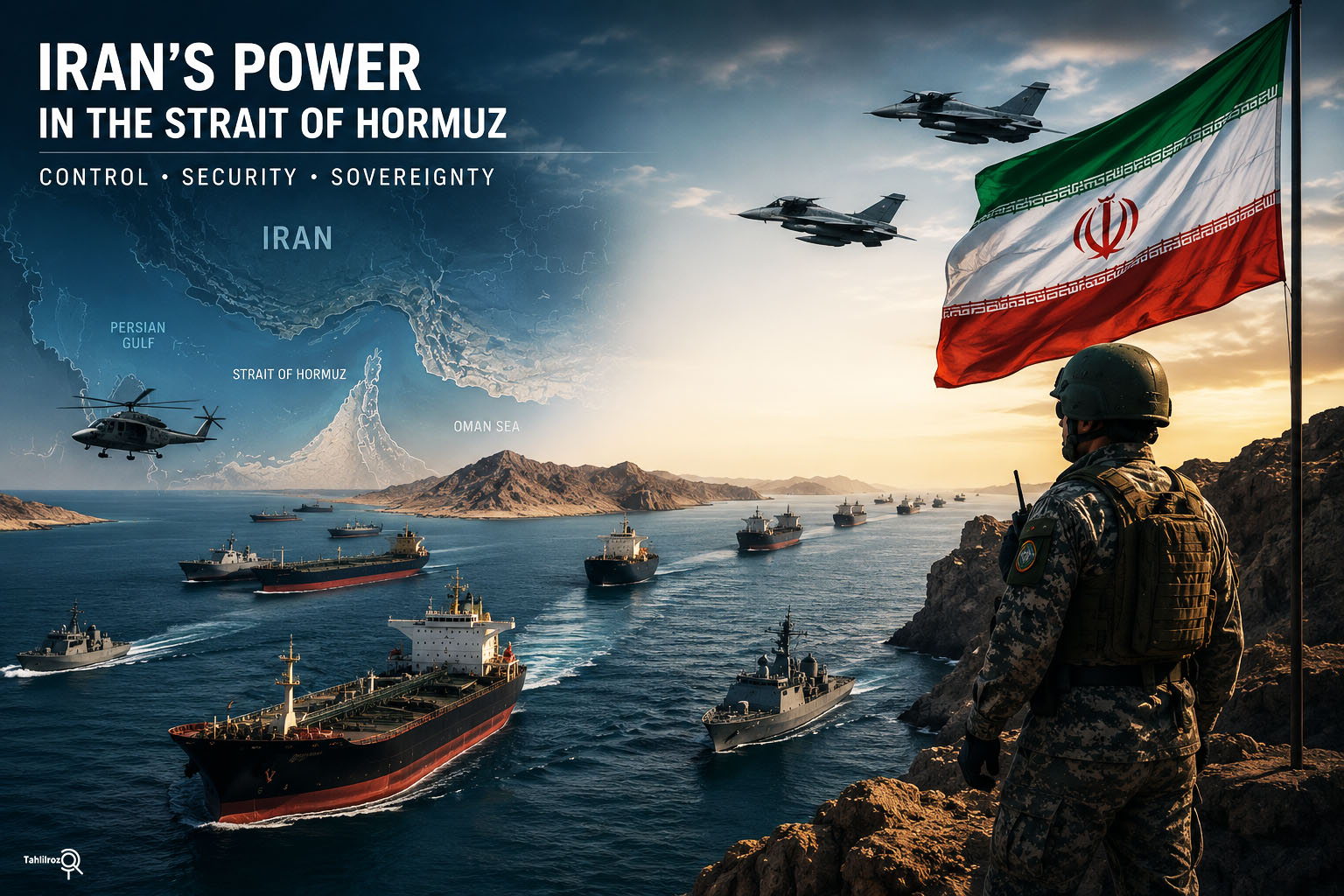
The Strait of Hormuz — the primary route for oil and gas exports from the Persian Gulf to global markets — has reportedly remained closed for more than two months. During this period, billions of dollars worth of oil, gas, and related fuel products have either been lost or stranded at ports without being transported. Meanwhile, fuel prices on global markets have surged to over $100 per barrel, causing severe instability and volatility in the energy sector. This economic crisis has imposed heavy pressure on the global economy, particularly on the United States and Europe, affecting the daily lives of millions of people.
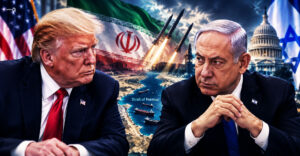
This article examines the following questions: How have the policies of Donald Trump and Benjamin Netanyahu contributed to the The Closure of Strait of Hormuz and the resulting economic hardship faced by people in America, Europe, and across the world? Could the removal of these two leaders help resolve the crisis?
Trump and Netanyahu’s Policies: The Real Root of the Crisis
Throughout history, Iran has not initiated military aggression against other countries. A review of Iranian history suggests that the Islamic Republic, since its establishment, has consistently pursued policies centered on stability, regional peace, and support for underprivileged communities in several countries, particularly Afghanistan. According to many observers in neighboring Afghanistan, the Iranian government has long demonstrated tolerance, coexistence, and regional cooperation.
The Islamic Republic of Iran has also maintained a position of restraint toward the wider international community. Although Tehran has long held strategic authority over the Strait of Hormuz, it has never previously blocked this critical waterway, and global markets — including European economies — have historically continued to operate without disruption from Iran.
However, according to this perspective, the military actions carried out by the United States and Israel against Iran — including attacks on infrastructure and civilian targets — escalated tensions dramatically. These developments allegedly prompted Iran to close the Strait of Hormuz as a defensive response under international law. From Tehran’s standpoint, the closure of Strait of Hormuz is portrayed as a reaction to what it considers unlawful aggression imposed upon the country.
Iran’s Military Response During the 12-Day Conflict
As witnessed during the recent 12-day conflict and the broader regional confrontation, Iran demonstrated significant defensive capabilities. Following attacks by the United States and Israel, Iran moved to restrict access through the Strait of Hormuz, arguing that the waterway falls within its strategic sphere and that it possesses the sovereign right to control it.
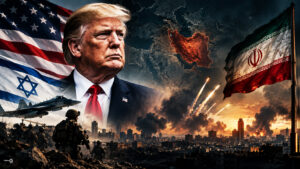
Initially, Trump claimed that Iran’s naval capabilities had been destroyed, later escalating rhetoric with threats of further military action, before eventually signaling openness to negotiations. Nevertheless, Iran’s effective control over the Strait of Hormuz highlighted what many analysts describe as the failure of U.S. policies in the Persian Gulf region.
Iran’s Islamic Revolutionary Guard Corps repeatedly stated that until sanctions and pressure campaigns are lifted, vessels linked to the United States, Israel, and their allies would face restrictions in crossing the strait. Data from Kpler reportedly indicates that shipping traffic through the Strait of Hormuz has fallen to less than 10 percent of previous levels.
At the same time, Iran has continued exporting its own oil while maintaining economic resilience despite external pressure. As a result, critics argue that the blockade and escalation pursued by Trump have ultimately harmed the economies of the United States and Europe more severely than Iran itself, fueling public protests and economic dissatisfaction.
Iran’s Position in Global Media and Public Opinion
At present, Iran has also succeeded in advancing its narrative through international media coverage. Many people around the world now believe that Iran’s actions constitute self-defense, while the United States and Israel are viewed as having initiated the conflict. Numerous analysts in both America and Europe have openly criticized the policies of Trump and Netanyahu as strategic mistakes.
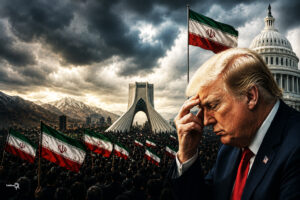
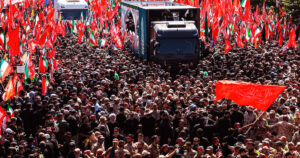
Consequently, public hostility toward Trump and Netanyahu has intensified globally. Protests against both leaders continue across several countries. In Europe, demonstrations led by German transport workers and drivers have gained momentum, while in the United States, anti-war protests involving millions of participants continue to expand.
Ordinary citizens are increasingly asking why they should bear the financial burden of rising fuel costs and economic hardship as a consequence of the political decisions made by these two leaders.
Meanwhile, Trump and Netanyahu are accused of broadening and intensifying the conflict across the region — from Gaza Strip and Lebanon to Iran and other Arab states. Netanyahu has continued military operations in Gaza and Lebanon, while Trump’s strategy of maritime pressure and port restrictions has allegedly accelerated regional escalation.
Despite these efforts, critics argue that both the United States and Israel have suffered major political and strategic setbacks, with Trump in particular becoming trapped in a crisis of his own making. Neither side reportedly anticipated that the closure of Strait of Hormuz would inflict such extensive damage on their own economies and the broader global market. As pressure mounts, both leaders are now seen as searching urgently for a path out of the crisis.
The closure of the Strait of Hormuz and the economic impact on the United States and Europe: Billions in Losses and a Dark Outlook
After nearly two months of disruption, the United States and Europe are now facing severe economic strain. Reports suggest that billions of dollars in direct losses have already been imposed on Western economies due to the closure of Strait of Hormuz. Oil and gas prices in Germany, France, and Italy have risen sharply. Factories have slowed or halted production, inflation has accelerated, and ordinary citizens are struggling with significantly higher living costs.
In addition to the direct costs of war, the maritime blockade and shipping disruptions have reportedly inflicted serious damage on both the American and European economies. Cargo vessels remain delayed in European ports, exports have declined, and concerns over recession continue to grow.
As a result, citizens in the United States and Europe are increasingly dealing with inflation, unemployment, and soaring fuel prices — consequences many critics attribute to the policies of Trump and Netanyahu.
What Is the Solution? Removing Trump and Netanyahu to Restore Stability
Given these developments, Trump appears to be searching for a strategy to retreat from the crisis, while Netanyahu faces growing political pressure and uncertainty regarding his future. Both leaders are therefore attempting to secure an exit strategy and preserve what they portray as political achievements for domestic audiences — even if critics argue such claims lack credibility.
From this perspective, the removal or political sidelining of these two figures could help reduce tensions and open the door to diplomatic negotiations.
Without Trump and Netanyahu, diplomatic dialogue may become more achievable, the Strait of Hormuz could reopen, and global fuel flows could gradually return to normal. In turn, the economies of Europe and the United States may begin to recover from the ongoing instability.
At the same time, the closure of Strait of Hormuz has demonstrated that military-centered policies do not always produce the intended outcomes. Iran’s actions exposed what many see as the economic vulnerabilities of Western powers. According to this viewpoint, citizens in America and Europe should pressure their governments to pursue different policies, arguing that without Trump and Netanyahu, both the region and the wider world could move toward greater stability and peace.
Ayesha Babrak Khil