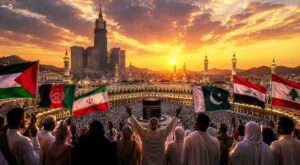
Hajj and Islamic Unity
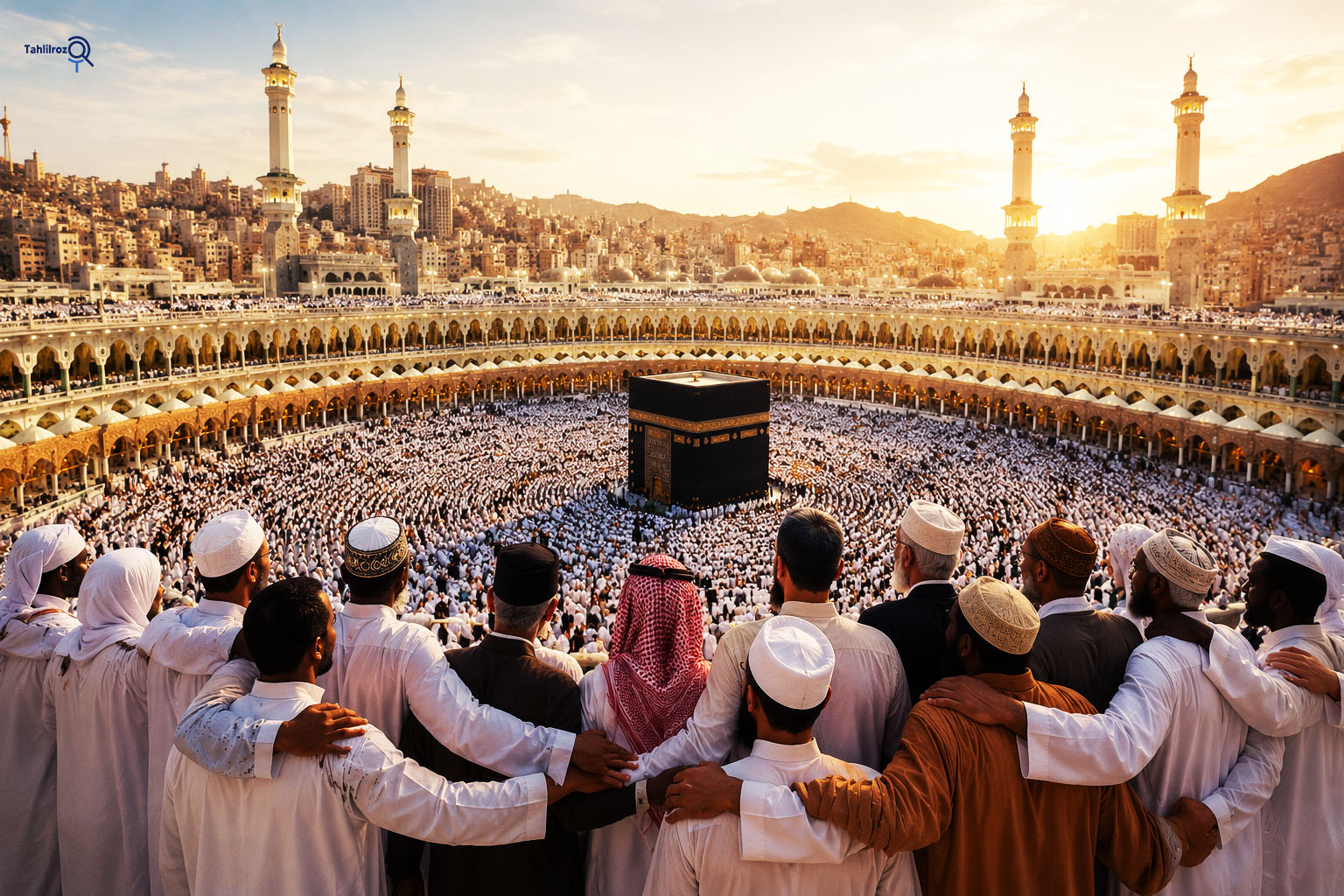
Every year, millions of Muslims from different nations, languages, ethnicities, and cultures gather in Makkah to perform Hajj, one of the five pillars of Islam. Beyond its spiritual significance, Hajj represents one of the greatest manifestations of Islamic unity in the modern world. It is a living demonstration that Muslims, despite geographical and political differences, belong to one Ummah united by faith, purpose, and devotion to God.
In a world increasingly divided by conflict, occupation, economic inequality, and political rivalries, the message of Hajj becomes even more relevant. The pilgrimage reminds Muslims that their strength lies not in nationalism or sectarian divisions but in solidarity, justice, and collective responsibility.
The concept of Hajj and Islamic unity is therefore not merely a religious ideal. It is a practical and moral framework for addressing many of the challenges facing the Muslim world today.
The Legacy of Abrahamic Hajj
The essence of Hajj is rooted in the legacy of Prophet Ibrahim (Abraham), whose life symbolizes sacrifice, faith, resistance against falsehood, and complete submission to God.
The rituals of Hajj commemorate Ibrahim’s struggle against oppression and idolatry. Muslims retrace his footsteps through acts that symbolize patience, devotion, and steadfastness. The stoning of the pillars, known as Ramy al-Jamarat, is particularly significant because it represents the rejection of evil, arrogance, and deception.
For many Muslim scholars, the concept of Abrahamic Hajj extends beyond ritual practice. It encourages believers to reject injustice, resist oppression, and stand with the oppressed. In this understanding, Hajj becomes both a spiritual journey and a reminder of moral responsibility.
Hajj and Islamic Unity; Unity Beyond Borders
One of the most remarkable aspects of Hajj is its ability to erase artificial distinctions among people. During the pilgrimage, wealthy and poor, Arab and non-Arab, Asian and African, stand side by side in identical garments. The Ihram clothing removes visible markers of social status and reminds pilgrims that all human beings are equal before God. This message carries profound implications for contemporary Muslim societies.
From Afghanistan to Pakistan, from Iran to Iraq, from Lebanon to Palestine, Muslims face different political realities, yet they share common values and aspirations. Hajj provides a unique opportunity to strengthen awareness of this shared identity. At a time when political disputes often dominate headlines, the pilgrimage serves as a reminder that the bonds of faith are stronger than the divisions imposed by geography or politics.
Hajj and the Responsibility Toward Palestine
The issue of Palestine remains one of the most significant concerns across the Muslim world. For decades, Palestinians have endured displacement, occupation, violence, and humanitarian hardship.
Many Muslims view support for Palestine not only as a political issue but also as a moral and humanitarian obligation. The principles emphasized during Hajj—justice, compassion, sacrifice, and solidarity—naturally resonate with the Palestinian cause.
The gathering of millions of Muslims in Makkah provides a powerful reminder that the suffering of one part of the Ummah affects the entire community. The spirit of Hajj encourages believers to reject indifference and to remain aware of the struggles faced by vulnerable populations throughout the world.
For this reason, discussions about Hajj and Islamic unity frequently include reflections on Palestine and the broader responsibility of Muslims to support justice and human dignity wherever they are threatened.
The Need to Overcome Division
One of the greatest challenges facing the Muslim world today is internal division. Sectarian tensions, political rivalries, ethnic conflicts, and competing national interests have often weakened collective action. These divisions have created opportunities for external powers to influence regional affairs and deepen existing conflicts.
Hajj offers an alternative vision
The pilgrimage teaches that unity does not require uniformity. Muslims may belong to different cultures and schools of thought while remaining committed to common principles.
The Qur’anic call to hold firmly to the rope of God and avoid division remains as relevant today as ever. The lessons of Hajj encourage Muslims to prioritize cooperation over hostility and dialogue over confrontation. Without greater unity, many of the social, economic, and political challenges facing Muslim societies will remain difficult to overcome.
Afghanistan and the Spirit of Islamic Solidarity
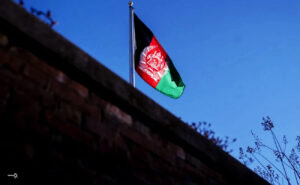
Afghanistan has endured decades of war, instability, economic hardship, and foreign intervention. Despite these difficulties, many Afghans continue to view themselves as part of a broader Islamic community whose concerns extend beyond national borders.
The message of Hajj resonates strongly within Afghan society because it emphasizes values that are deeply respected by ordinary people: faith, sacrifice, brotherhood, generosity, and mutual assistance.
For many Afghan Muslims, solidarity with other Muslim nations is not simply a political slogan. It is rooted in a religious understanding that members of the Ummah share responsibilities toward one another. This perspective reinforces the importance of cooperation among Muslim nations and highlights the need for stronger humanitarian, economic, and cultural ties across the Islamic world.
Resistance Against Oppression in Islamic Thought
Throughout Islamic history, resistance against oppression has occupied a central place in religious and ethical discourse. The Qur’an repeatedly emphasizes justice and condemns tyranny. Islamic teachings encourage believers to defend the vulnerable, speak the truth, and oppose injustice whenever possible.
Within this framework, many scholars interpret Hajj as an annual reminder of the need to resist forms of oppression that threaten human dignity and social justice. The symbolism of rejecting Satan during the pilgrimage can be understood as a rejection of arrogance, exploitation, aggression, and moral corruption. It reminds Muslims that faith is not limited to personal worship but also requires commitment to ethical principles.
Consequently, the message of Hajj extends beyond the individual and addresses broader social realities affecting Muslim communities around the world.
Building a Stronger Muslim Future
The future of the Muslim world depends largely on its ability to strengthen cooperation and overcome fragmentation. Economic development, scientific progress, educational advancement, and humanitarian cooperation require collective effort. No nation can address major challenges entirely on its own.
Hajj demonstrates the immense potential that exists when Muslims gather around shared values. The annual pilgrimage is proof that diversity can coexist with unity and that common goals can transcend national boundaries.
A stronger sense of Islamic solidarity could help foster greater collaboration in areas such as:
Education and research
Economic partnerships
Humanitarian assistance
Poverty reduction
Technological development
Cultural exchange
Conflict resolution
The principles embodied by Hajj provide an ethical foundation for such cooperation.
Conclusion: The Enduring Message of Hajj
The significance of Hajj extends far beyond its rituals. It is a powerful symbol of unity, equality, sacrifice, and moral responsibility. In an era marked by conflict, displacement, and growing divisions, the pilgrimage offers a vision of what the Muslim world can achieve through solidarity and shared purpose. The gathering of millions of believers in Makkah demonstrates that differences of nationality, language, and culture need not prevent cooperation and mutual support.
The message of Hajj and Islamic unity remains clear: Muslims are strongest when they stand together, support justice, reject division, and work collectively for the dignity and well-being of the entire Ummah. As each new Hajj season arrives, it renews this timeless call—a call for faith, unity, compassion, and commitment to the values that have guided the Islamic community for centuries.
Mohsen Shahrafiee