The Return of General Sami Sadat’s Front
In recent weeks, as sporadic attacks have increased in several Afghan provinces and the names of several military figures from the former Republic have resurfaced, Afghanistan’s political and security environment has entered a new phase.
Under these circumstances, every security incident is more than simply a military event. It can also be part of a larger puzzle whose full picture cannot be understood without examining the connections between the actors involved, the timing of events, and their possible underlying objectives. The latest claim by General Sami Sadat regarding an armed attack in Kandahar can also be examined from this perspective.
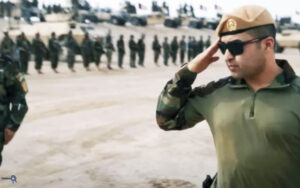
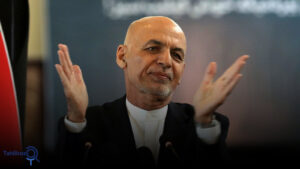
Three years ago, General Sami Sadat announced the formation of the “United Front of Afghanistan” and attempted to establish himself as one of the leaders of the opposition to the Taliban. However, throughout this period, the front played almost no significant role in Afghanistan’s battlefield dynamics.
Now, as several other anti-Taliban fronts have simultaneously intensified their activities, the sudden return of General Sami Sadat to the headlines has raised numerous questions about the objectives, timing, and potential supporters of his movement.
Is the simultaneous activation of Sami Sadat’s front and other anti-Taliban groups merely coincidental, or is it part of a coordinated scenario aimed at increasing pressure on the Taliban government?
Centralized Crisis Management: Has Afghanistan’s Destabilization Entered a New Phase?
The simultaneous increase in attacks in Badakhshan, Kandahar, Takhar, and several other areas, as the fifth anniversary of the Taliban’s return to power approaches, is noteworthy in the eyes of many observers.
Opponents of the Taliban appear to be attempting to associate the beginning of the Taliban’s fifth year in power with an atmosphere of insecurity and crisis, thereby creating the perception that the Taliban are no longer capable of controlling the entirety of Afghanistan.
Among some political and security analysts, the prevailing interpretation is that these developments may represent more than independent actions by several scattered groups. They argue that the pattern could indicate a degree of coordination and centralized management.
Within this framework, some analysts have linked such coordination to elements of Pakistan’s Inter-Services Intelligence (ISI). This interpretation is based largely on the timing of the operations, similarities in propaganda patterns, and apparent media coordination among different anti-Taliban fronts.
At the same time as the military activities, an extensive network of media outlets and social media platforms has sought to emphasize the claim that the Taliban’s “nationwide government” no longer exists.
The objective of this media campaign, according to this interpretation, is less about actually capturing territory and more about weakening the Taliban government’s legitimacy and authority in the public mind while creating the perception of a gradual collapse of Taliban rule.
For this reason, the conflict in Afghanistan today is not taking place solely on the battlefield. A significant part of it is also being fought through competing narratives and psychological warfare.
General Sami Sadat: From a Controversial Republican Record to Claims of Resistance Leadership
There is little doubt that many political, military, and administrative officials of the former Afghan Republic have faced accusations of abusing power and public resources. This situation significantly weakened public trust in many of these figures.
As a result, many Afghans now ask how some of the same officials and commanders can claim leadership of military movements inside Afghanistan from Western countries without first addressing questions about their past performance.
General Sami Sadat, one of the senior commanders of the former Republic, has been accused by critics within parts of Afghanistan’s former military establishment of handing over strategically important areas to the Taliban without serious resistance. Some of these critics have consequently labeled him a traitor.
Today, General Sami Sadat speaks of leading an armed front from the U.S. state of Virginia, where he lives in safety and security. Critics argue that this situation is not limited to Sami Sadat. Similar questions have been raised about other leaders of anti-Taliban fronts.
According to these critics, while some of these leaders and their families live safely in Western and European countries, young Afghans are encouraged to participate in armed conflict, leaving ordinary people to bear the main human cost of the fighting.
If the real objective is the liberation of Afghanistan and the defense of its people, critics argue that the first people who should be present on the battlefield are the leaders of these fronts themselves and, where appropriate, their own families. Leading a war from thousands of kilometers away while others pay the ultimate price raises serious ethical and political questions.
At the same time, many people inside Afghanistan believe that a significant number of armed fronts currently operating in the country are effectively acting in line with Pakistani interests, or at least benefiting from circumstances that serve Islamabad’s regional strategies.
In this context, recent remarks by Yasin Zia, leader of the Freedom Front, that he is “not a mercenary for any country” have been interpreted by critics as a response to these accusations. Critics have asked him: If there is no connection to Pakistan, then why are forces or activities reportedly associated with his front present in Pakistan’s Chitral region? This is a question that matters to public opinion, and a transparent answer could help clarify some of the uncertainties surrounding these groups.
War and Insecurity Are Not the Solution for Afghanistan
The experience of the past four decades has shown that increased insecurity, sporadic military operations, and proxy conflicts primarily turn the people of Afghanistan into victims. Such actions may generate short-term media attention, but they do not necessarily alter the balance of power or lead to the collapse of governments. What remains, instead, is greater insecurity, migration, poverty, and suffering for ordinary citizens.
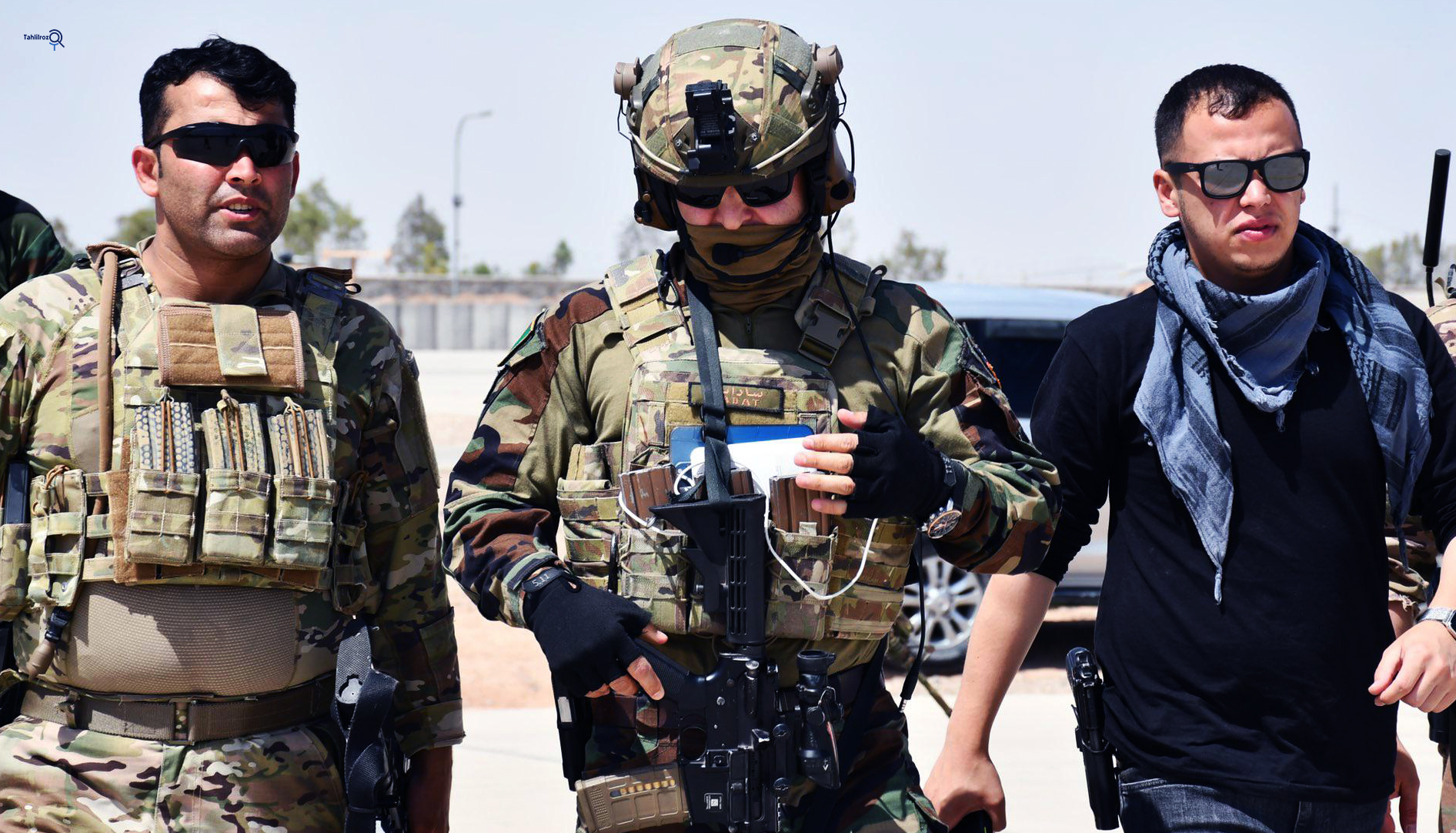
If General Sami Sadat considers himself a military commander, he should understand that a real battlefield is fundamentally different from the scenes portrayed in Hollywood movies. War cannot be managed through promotional videos, passionate speeches, or political posturing from behind a podium in Virginia.
If General Sami Sadat believes he enjoys the support of the Afghan people, critics argue that the first step should be to stand alongside the same people he calls upon to fight.
Afghanistan Needs Stability, Not Another War
Nevertheless, Afghanistan today needs de-escalation, stability, and political solutions more than ever. Any project that fuels another cycle of war, regardless of the name or flag under which it operates, will ultimately make the lives of Afghan citizens more difficult before it causes meaningful harm to those in power.
For this reason, the latest claims and activities associated with General Sami Sadat should also be assessed within the broader political and security developments taking place across the region.
If these developments serve proxy rivalries rather than the interests of the Afghan people, their ultimate consequence will be little more than the continuation of suffering and instability in Afghanistan. The central question, therefore, is not simply whether General Sami Sadat or another opposition figure can generate headlines or announce new military activities.
The more important question is whether these movements can offer Afghanistan a realistic political future—or whether they will simply add another chapter to the country’s long history of conflict.
Moslem Akhlaqi